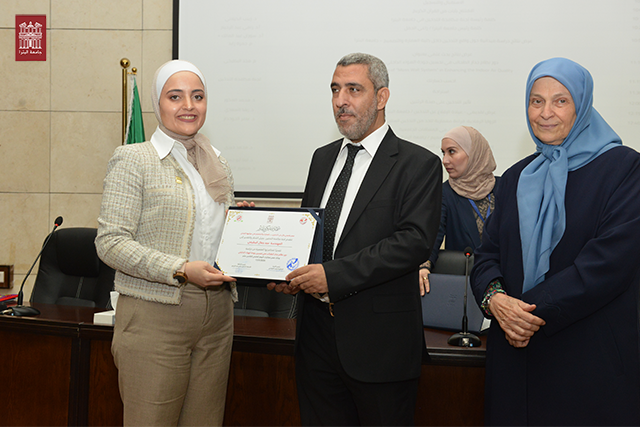
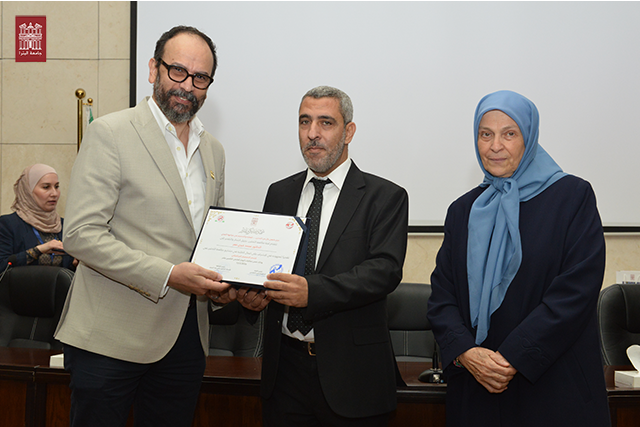
At a time when smoking continues to spread within Jordanian society at alarming rates, the University of Petra chose to confront the issue differently — not merely through warnings, but by transforming awareness into dialogue, scientific research into a tool of resistance, and design into a message of life.
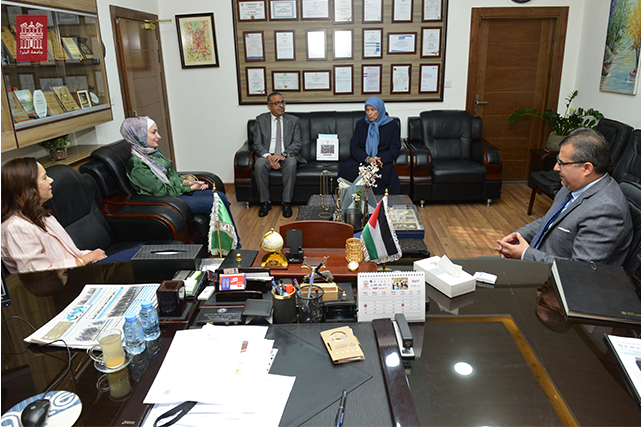
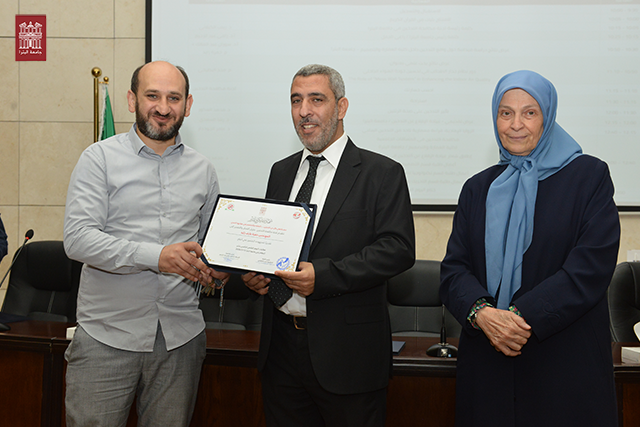
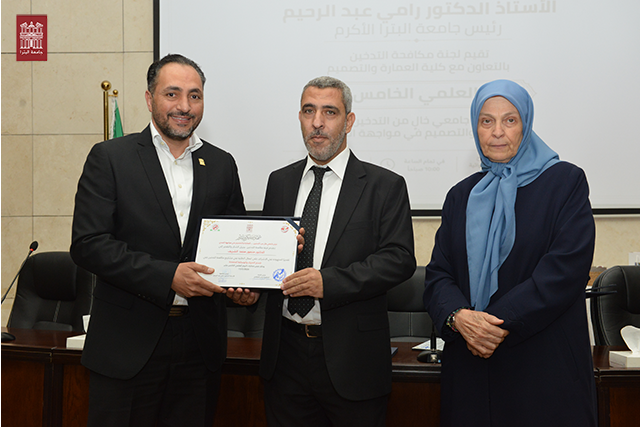
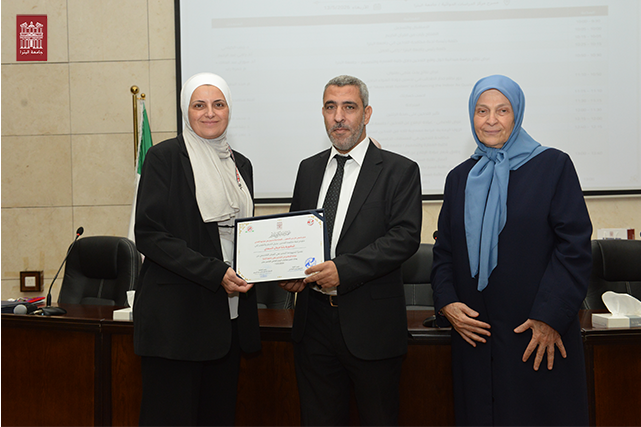
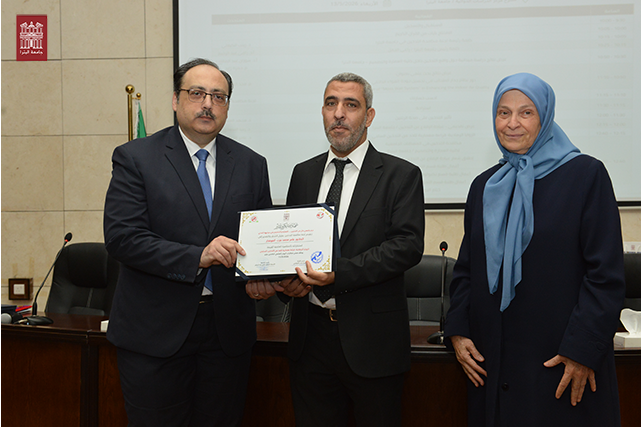
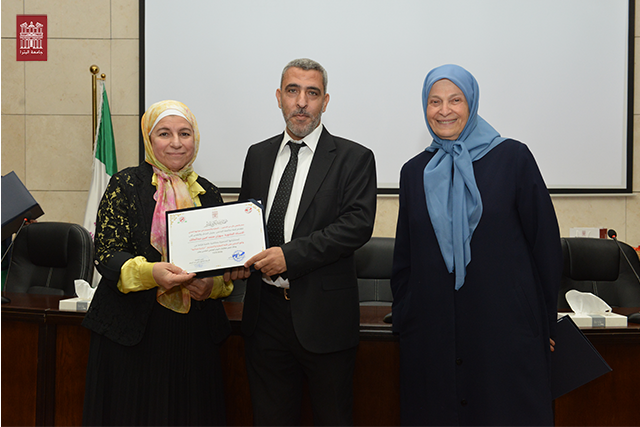
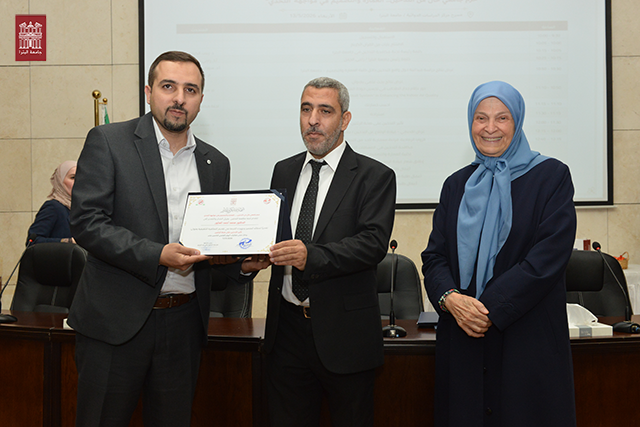
The university concluded the activities of the 15th Scientific Day of the Anti-Smoking Committee, organized in cooperation with the Faculty of Architecture and Design under the theme: “A Smoke-Free Campus… Architecture and Design Facing the Challenge." The event was attended by Vice President of the University Professor Dr. Mayas Al-Rimawi, WHO Representative in Jordan Dr. Iman Al-Shanqeeti, Director of the Cancer Control Office Dr. Noor Obeidat, Deputy City Director for Health and Agricultural Affairs Dr. Yasar Al-Khaitan, in addition to representatives of health institutions, civil society organizations, faculty and administrative staff members, and university students.
From the opening session at the Pharmaceutical Research Center Theater, it was evident that the scientific day was not merely a routine protocol event, but a genuine platform confronting one of the most pressing issues threatening the health and future of young people.
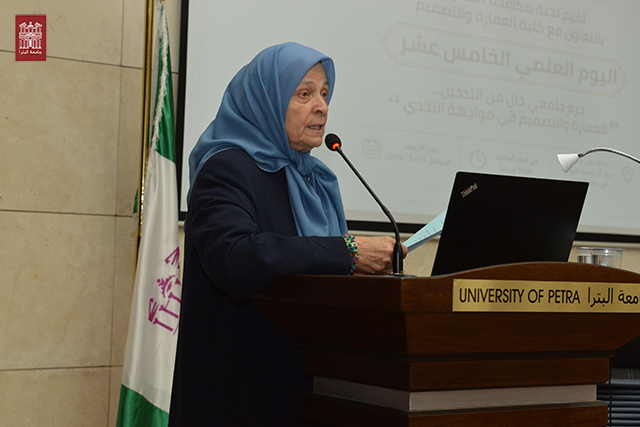
In her opening remarks, Chair of the Anti-Smoking Committee Dr. Zeinab Al-Kilani presented what she described as “shocking" statistics, emphasizing that Jordan records one of the highest smoking prevalence rates worldwide, according to the latest national survey conducted by the Ministry of Health. She noted that more than 51% of Jordanian society uses some form of tobacco, while the smoking rate among individuals aged 18 to 24 reached approximately 44.5% — the age group most closely associated with university education and future-building.
Dr. Al-Kilani went beyond the statistics to address the human losses hidden behind these figures, especially with the number of female smokers having quadrupled since 2015 and the alarming rise in tobacco-related cancer rates. She stressed that the issue is no longer merely about personal choices, but rather a public health concern affecting families and future generations.
She also warned about smoking inside university campuses, pointing out that 70% of respondents in the national survey confirmed witnessing smoking inside university buildings, exposing non-smokers to secondhand smoke as well as the dangers of “thirdhand smoke" caused by tobacco residue accumulating on walls, surfaces, and furniture.
In a message carrying a strong humanitarian dimension, Dr. Al-Kilani stressed that the fight against smoking cannot be fought individually, especially in the face of tobacco companies and their extensive marketing and influence tools. She called on university youth to become the “first and strongest line of defense" against this epidemic.
The scientific day program reflected this approach by combining scientific research, health awareness, and architectural and artistic perspectives in addressing the issue. Following the opening ceremony and Quran recitation, the program included a field study on smoking trends within the Faculty of Architecture and Design, presented by Professor Dr. Suzanne Abdel Malek, aiming to examine the phenomenon from within the university environment itself and understand its impact on students and educational spaces.
The event also featured a scientific presentation titled “The Role of Algae Wall Systems in Improving Indoor Air Quality," delivered by Engineer Majd Al-Batikhy, highlighting how environmental and design solutions can become supportive tools for public health and quality of life within enclosed buildings.
Dr. Mohammad Al-Akour from the Faculty of Medicine at Yarmouk University discussed the effects of smoking on lung health. In the direct awareness segment, Dr. Rasha Al-Saadi presented the services of the smoking cessation clinic at the University of Petra and its role in supporting students and staff wishing to quit smoking. She also interviewed two clinic beneficiaries who shared their personal experiences and how they successfully quit smoking.
Recognizing that physical spaces themselves can become part of the solution, Dean of the Faculty of Architecture and Design Dr. Amer Al-Jokhdar led a specialized session titled “Gray Corners: An Architectural Reading to Reduce Passive Smoking," presenting a vision linking architectural design with the right to a healthy environment and explaining how smart campus spaces can transform from areas vulnerable to smoking effects into environments that protect and support human health.
The day also featured contributions from the Departments of Graphic Design, Digital Film Design, Animation, and Multimedia, which presented visual and artistic awareness projects demonstrating the ability of art and design to transform health messages into impactful content that resonates with young people.
The scientific day concluded with a message affirming that combating smoking is no longer solely the responsibility of health institutions, but rather the responsibility of an entire society — beginning with universities, growing through youth engagement, and grounded in awareness, science, and collective action.