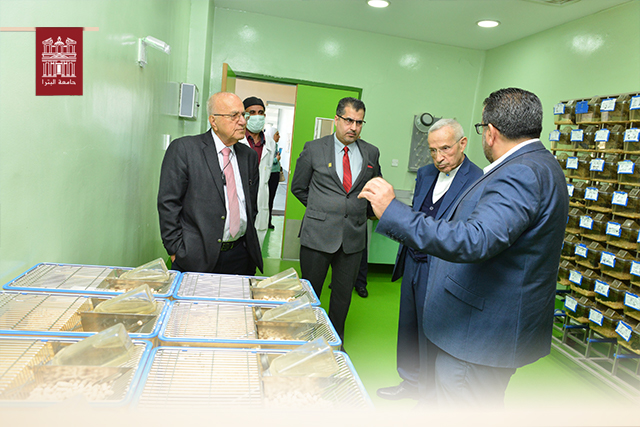
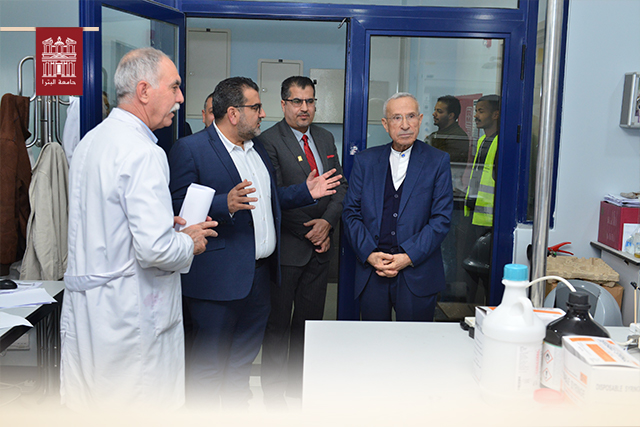
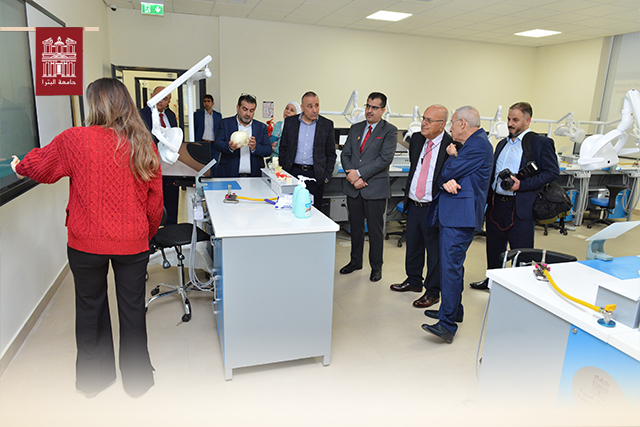
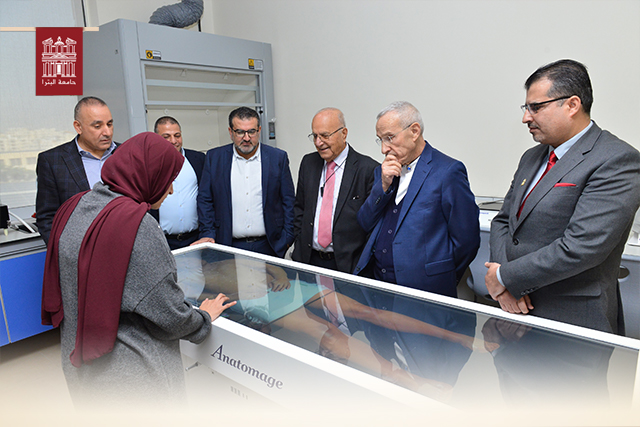
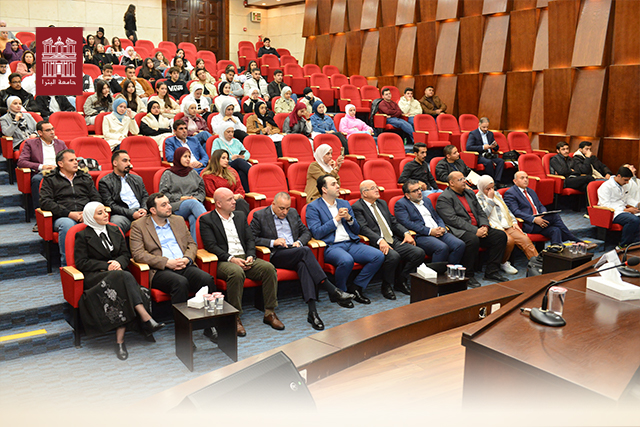
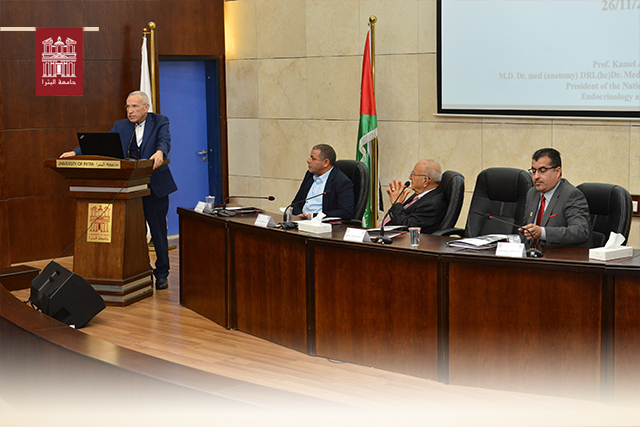
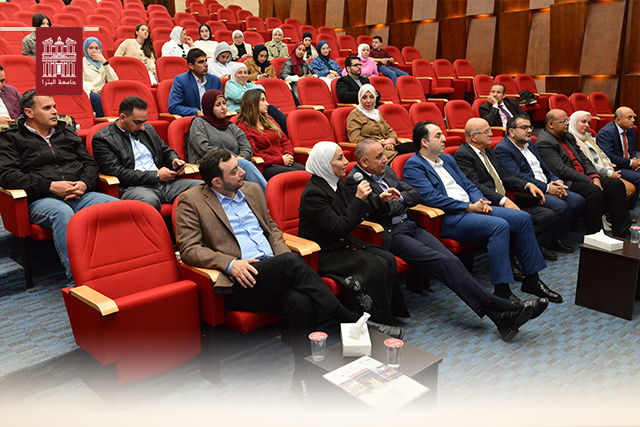
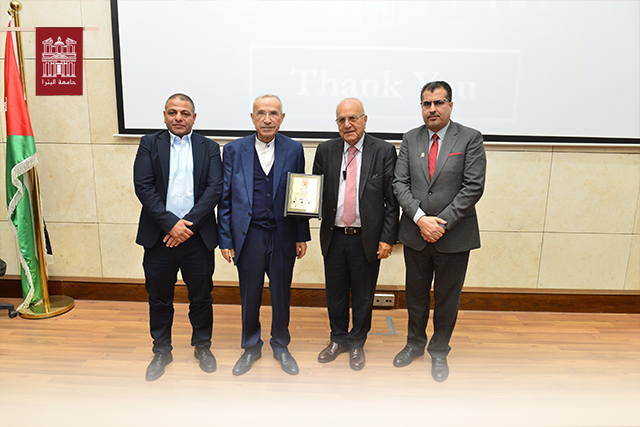
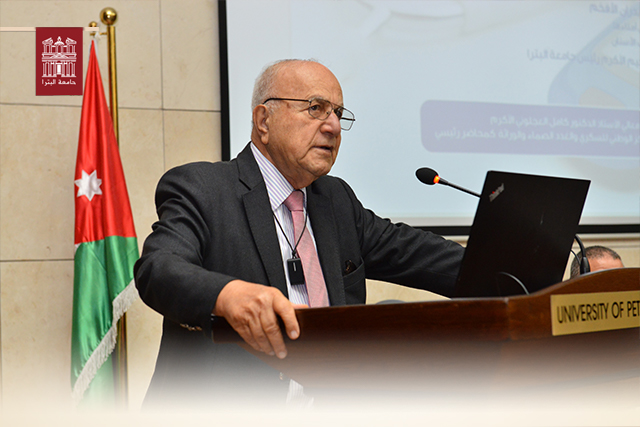
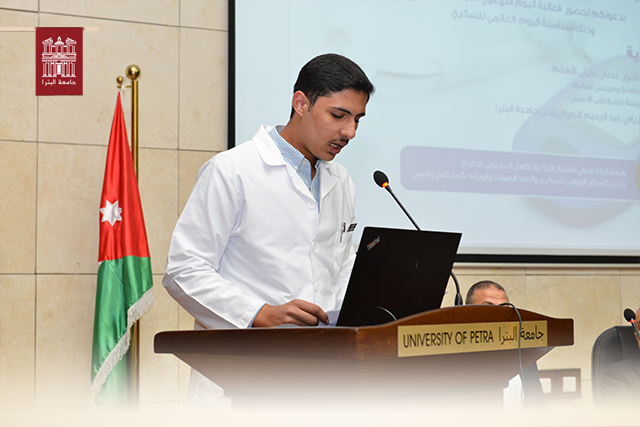
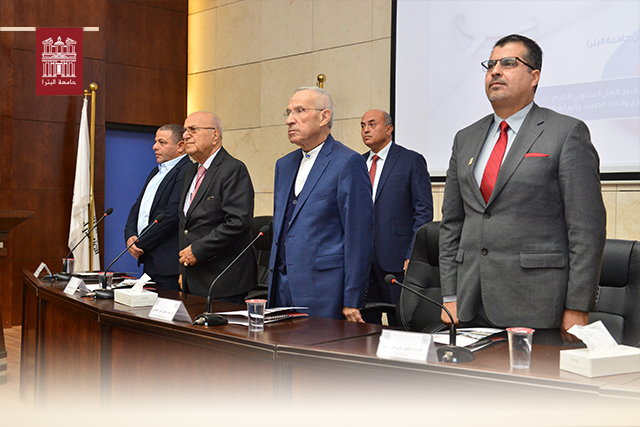
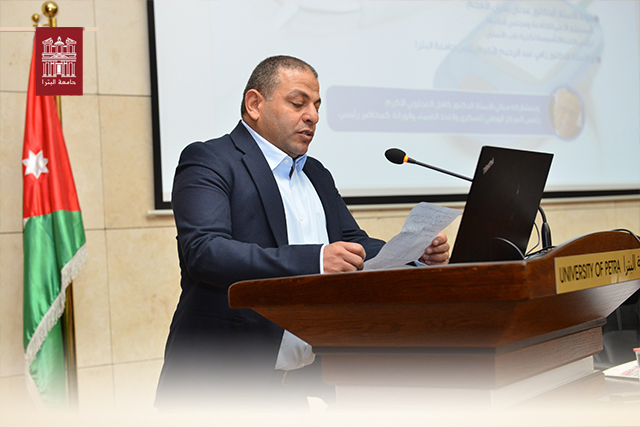
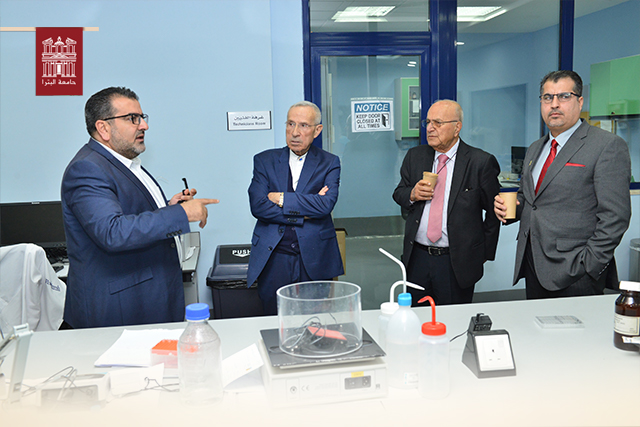
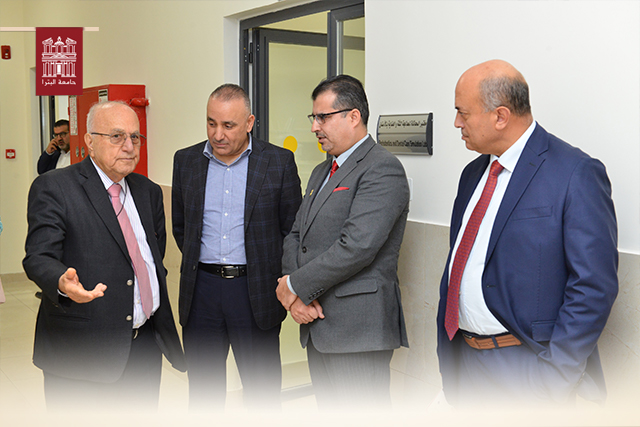
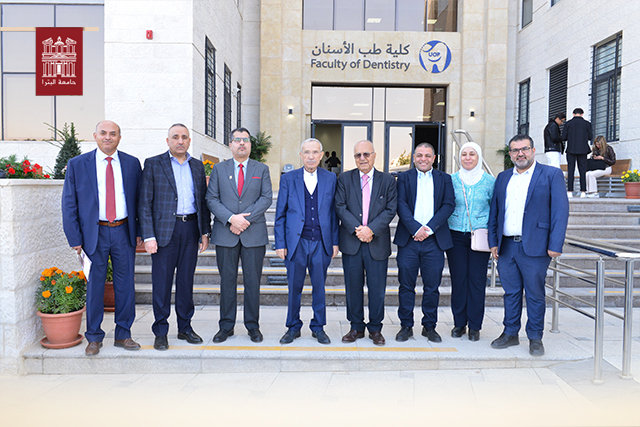
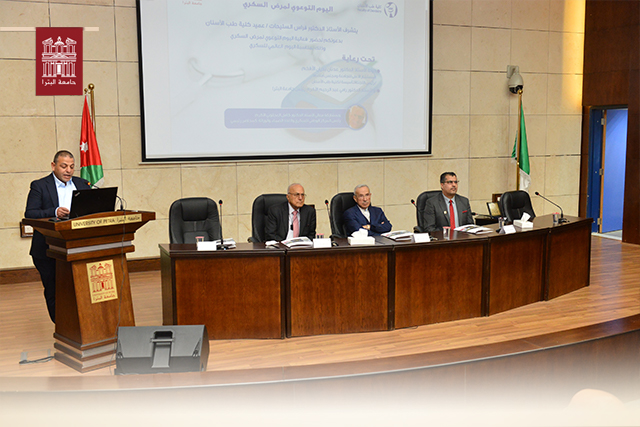
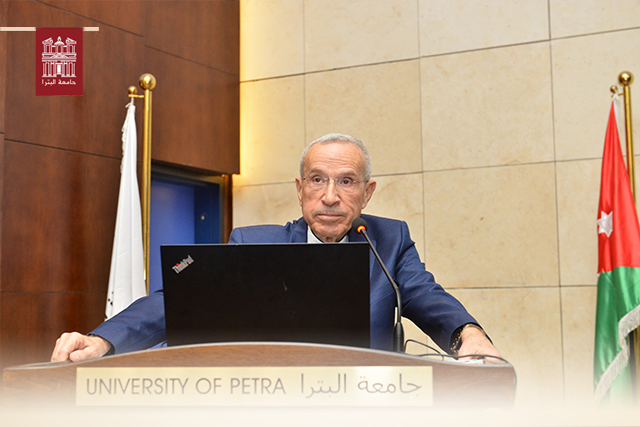
In collaboration with the Faculty of Dentistry and the Faculty of Pharmacy and Medical Sciences, University of Petra hosted a lecture by Prof. Kamel Al-Ajlouni, the head of the National Center for Diabetes, Endocrinology, and Genetics. The event was part of the university's scientific and medical activities organized for students in medical faculties.
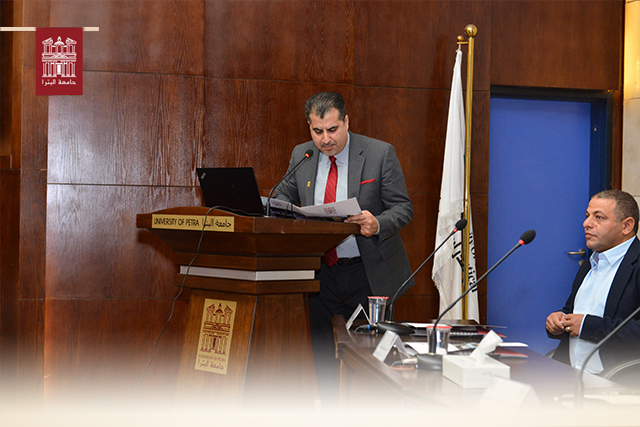
The event, titled "Diabetes Awareness Day," was held under the patronage of the University's Higher Chancellor, Prof. Adnan Badran, and the University President, Prof. Rami Abdel-Rahem. The main lecture was facilitated by the Dean of the Faculty of Dentistry, Dr. Firas Al-Sleihat.
Badran welcomed the guest in his opening remarks, emphasizing the importance of seminars organized by medical faculties in the university. He highlighted the benefits of these events in shaping a clear understanding of the medical reality by professionals working in the field. He also pointed out that scientific lectures represent a culmination of experience shared by experts with students in the medical field.
In his welcoming speech, University President Prof. Rami Abdel-Rahem stated, "The high competitiveness in the job market, especially with the increasing number of graduates, has become the greatest challenge." Addressing medical college students, he added, "You must excel to join the ranks of those who preceded you as university graduates who have written success stories that we cherish and are proud of."
Al-Ajlouni pointed out that while many individuals and doctors believe that medical test results fall within the normal range for diabetes, it does not necessarily mean that the individual is free from diabetes.
He explained that the danger of having results within the normal range but close to the diabetic range is equal to the actual risk of developing diabetes. He said, "There are individual variations among all humans, and what may be considered normal for someone may be abnormal for others."
Al-Ajlouni stated, "The boundary between health and disease varies from one time period to another and from one category of patients to another." He criticized misconceptions associated with diabetes, including the common belief that "obesity and diabetes are diseases of the wealthy." Scientific studies have shown that the incidence of diabetes among the poor or those with average income is not significantly different from that among the wealthy. He clarified that obesity and diabetes are influenced by dietary habits.